This Is Why AI Still Can’t Create Like Us
Real creativity breaks what exists rather than adding more

👉 Are AI and creativity truly compatible, or are we mistaking remix for originality? I’d love to hear what you think. Read on, then join the conversation in the comments.⬇
I keep wondering if it’s just me, or do you feel it, too? That sense that AI-generated content, no matter how clever, often leaves us cold. That’s how it feels to me, and it’s a sentiment echoed by others I’ve asked.
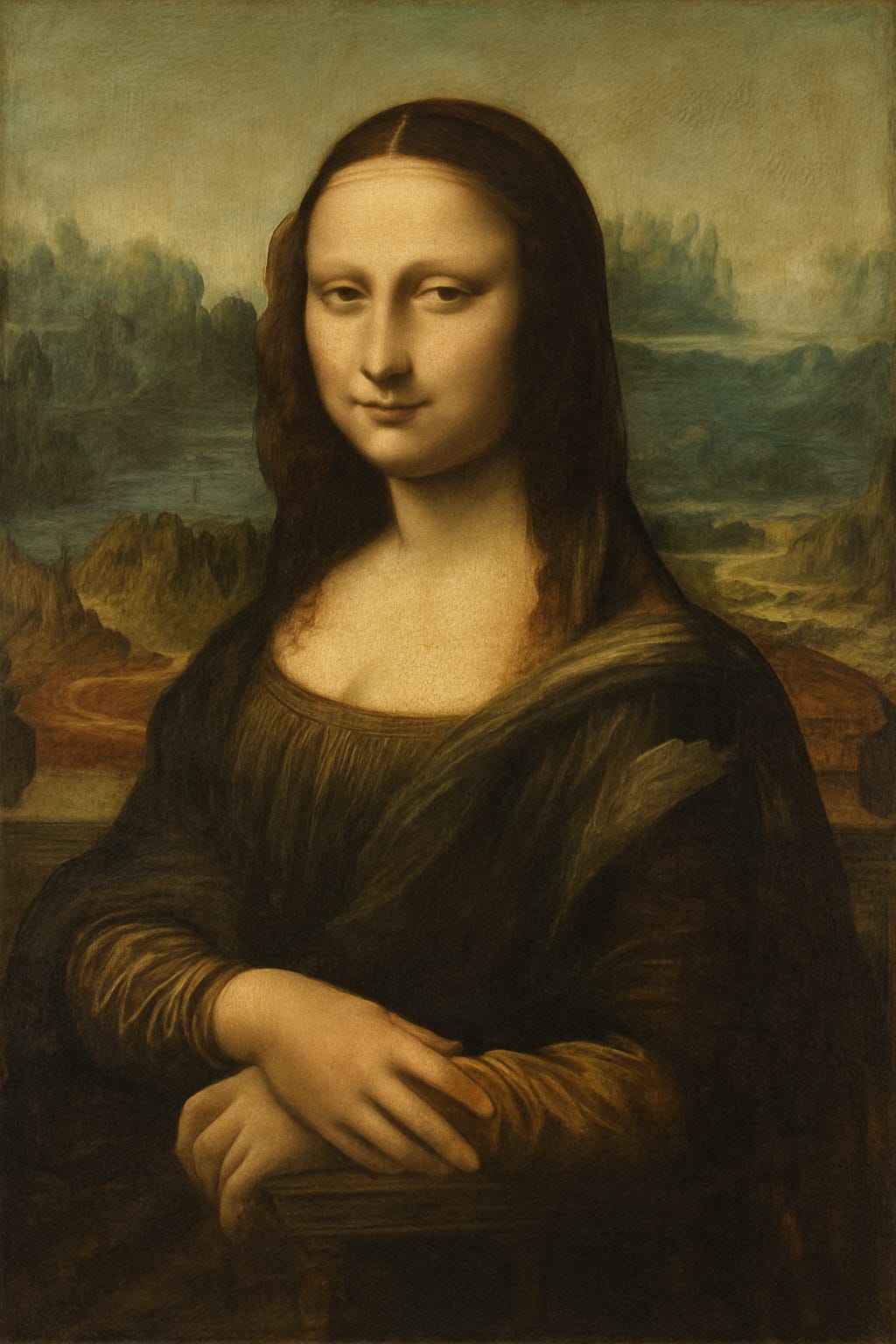
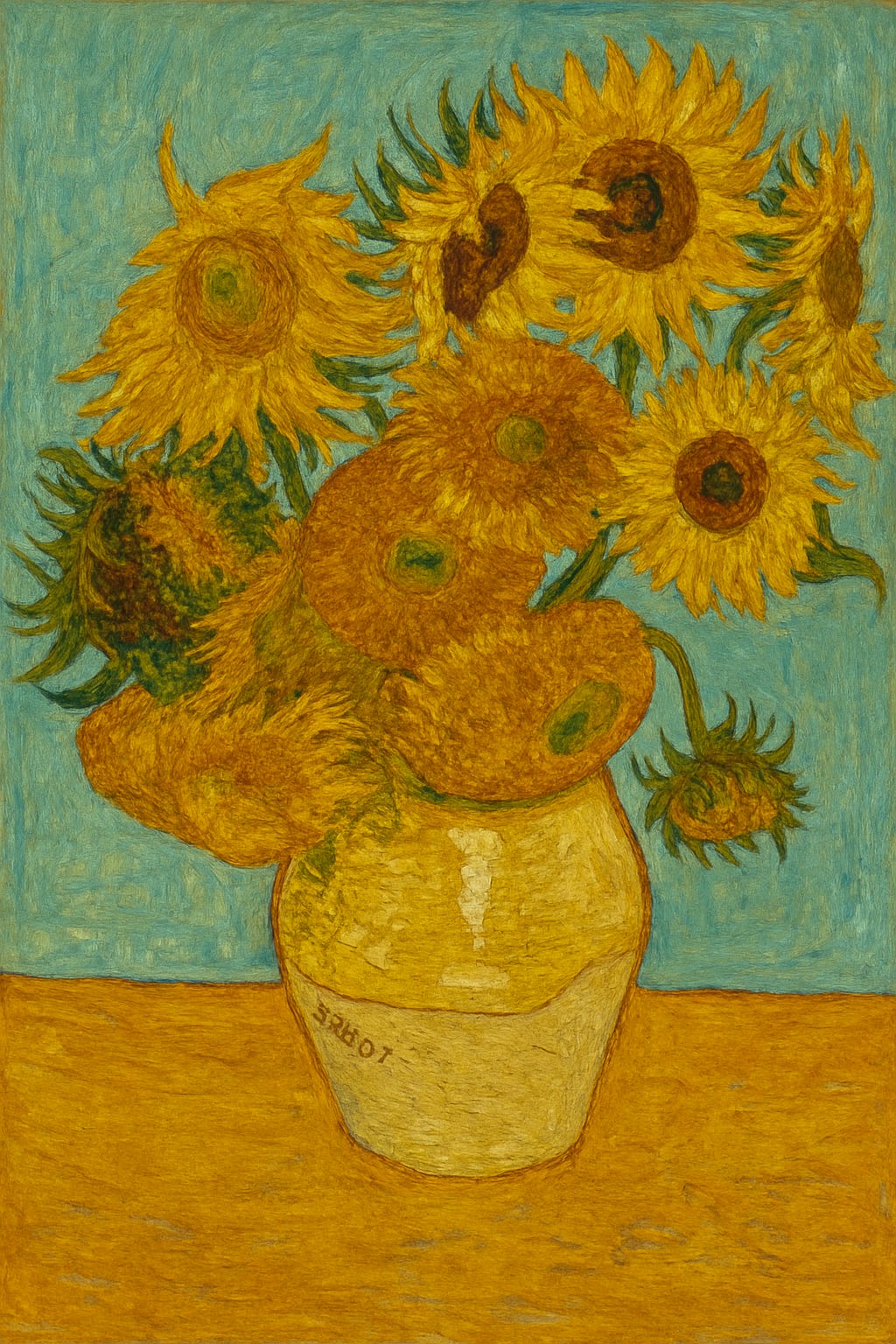
We’re in love with the idea of machines becoming artists. Type a prompt and voilà: an image, a song, a poem, served up faster than your coffee. AI can now mimic Shakespeare, paint like Van Gogh, and even produce lo-fi beats that slap.
Still, none of it moves us the way great art does. We admire it. Then we move on. It rarely lingers, let alone transforms us. We say “that’s impressive”, but not “that changed me”.
And often, we can just tell. There’s a subtle eeriness to AI-generated work, a kind of emotional flatness or uncanny smoothness. Some people have a sharper radar for it than others, but it’s there. You feel it in a song that sounds polished but oddly lifeless, or in a painting that looks right but somehow isn’t. It’s hard to explain, but you know it when you hear it.
So what’s missing?
AI can produce outputs that look new. But the source of that novelty always lives elsewhere. It doesn’t come from internal tension, personal constraint, or a felt sense that something is missing and needs to be resolved. AI doesn’t begin anything new.
This is where definitions matter. If creativity simply means producing something new, then yes, AI is already creative. But that definition is too thin to explain why some work sticks with us while other work evaporates on contact. The creativity we tend to value most isn’t just novelty. It gets its shape from intention, risk, and perspective. It’s not only that something hasn’t existed before, but that someone felt compelled to bring it into existence.
By the way, I’m talking about today’s generative systems: models trained on vast archives of past work, optimized to predict what comes next, not systems with goals, memories, or lived experience.
By the way, this piece was sparked by an eye-opening chat between Eduard Heindl and Joscha Bach (link at the end if you're curious).
AI’s Creativity Is Just a Statistical Party Trick
Behind the curtain, there’s no muse, just math. It’s a beautifully optimized guessing machine, predicting what pixel, word, or chord comes next.
When AI writes a sentence, it chooses the most likely word.
When it paints, it maps styles it has seen before.
When it makes music, it crunches data from what humans already liked.
This isn’t creation in the sense we usually mean when we talk about art. It’s prediction dressed up as invention. The system rearranges the familiar without knowing why it matters. Think jukebox on shuffle, not a musician staring down silence and wondering what’s never been heard before.
Let’s say you feed AI every Beatles song ever recorded. Could it create Yesterday? Sure, but only because it already knows the Beatles. It won’t invent The Beatles, because it only knows them after the fact.
Because invention, true invention, doesn’t come from consensus. It comes from the crack in the pattern. From someone asking, “What if I broke the rules everyone else follows?”
That’s a question AI can’t ask. Because AI’s entire existence depends on the rules.
There’s also a growing academic field called “computational creativity” that explores whether machines can exhibit or simulate creative behavior. Researchers are probing questions like: “Can novelty emerge without intent?” or ”Can structure alone give rise to inspiration?” These are fascinating debates, but for now, most mainstream AI tools still rely on remixing the past rather than breaking from it.
The strongest counterargument is worth taking seriously. Human creativity, after all, isn’t magic. Our brains are pattern machines, too. We absorb influences, internalize styles, and recombine what we’ve seen. From that perspective, AI creativity doesn’t look categorically different. It’s just faster, larger in scale, and implemented in silicon instead of neurons.
Here’s the asymmetry hiding in plain sight. Humans experience their own process. We feel when an idea doesn’t land. We sense when something is false, unfinished, or dishonest. That subjective friction isn’t a side effect of creativity. It’s the engine. Remove it, and what remains may look creative from the outside while lacking the inner pressure that gives creative work its weight.
You see this friction most clearly at the moment of decision. The painter who ruins a nearly finished canvas by changing the palette at the last minute. The songwriter who cuts the catchiest line because it feels dishonest. The writer who deletes ten pages not because they’re bad, but because they’re too easy. These moments don’t show up in the final output. But they shape it. And they only exist because someone is inside the work, feeling the resistance.
Humans Break Rules. AI Obeys Them.
When artists break rules, it’s rarely abstract. Picasso didn’t abandon realism because it was inefficient. Punk musicians didn’t decide they couldn’t play well because it optimized for attention. These breaks came from frustration, but not the dramatic kind. More often, it’s quiet dissatisfaction. A sense that the form no longer holds what the artist is trying to say. The rules stop feeling expressive and start feeling confining. That’s when artists bend or abandon them, not to be rebellious, but to be honest. Existing forms stopped saying what needed to be said. AI can learn the results of those rebellions. It can’t feel the suffocation that made them necessary. That distinction matters because the rebellion comes first. The pattern only becomes visible later.
AI doesn’t want anything. It has no itch to scratch, no internal chaos to express. No heartbreak, no rebellion, no moment in the shower where it suddenly thinks, “Wait...what if the villain is actually the hero?”
Could that change? Possibly. But only if AI developed a sense of self, an inner drive, or something like a conscience. But as of now, we’re not there. Today’s systems simulate output without experiencing the process. They play the role of an artist without ever becoming one.
AI doesn’t wake up and say, “I’m going to make something weird today.” It doesn’t deviate because something feels stale, false, or exhausted. It follows patterns, not impulses.
Humans do that anyway. Gloriously. Messily. Irrationally.
That’s where the spark lives. Not in the polished output, but in the risk.
The jazz musician who bends a note just wrong.
The poet who ends a line too soon.
The entrepreneur who builds a product no one asked for - until everyone needs it.
AI optimizes for what’s been done. Humans leap into what hasn’t.
Of course, not every human leap is genius. A lot of art, music, and writing churned out by humans is repetitive, commercial, or uninspired. But even in its most formulaic form, human creativity comes from an inner drive. A drive to mean something, to connect, to express. AI doesn’t care if the song resonates. It just cares if the chord progression fits statistically.
Also: humans aren’t free-floating originality machines either. We learn through imitation, absorb patterns from culture, and are often as shaped by our environment as any model is by its training data. But here’s the crucial difference: we know we’re doing it. We can stop, question, rebel. That metacognitive loop, the awareness of our own influence, lets us not only remix but decide when to stop following the pattern.
The Case for AI as a Creative Partner (But Not the Star)
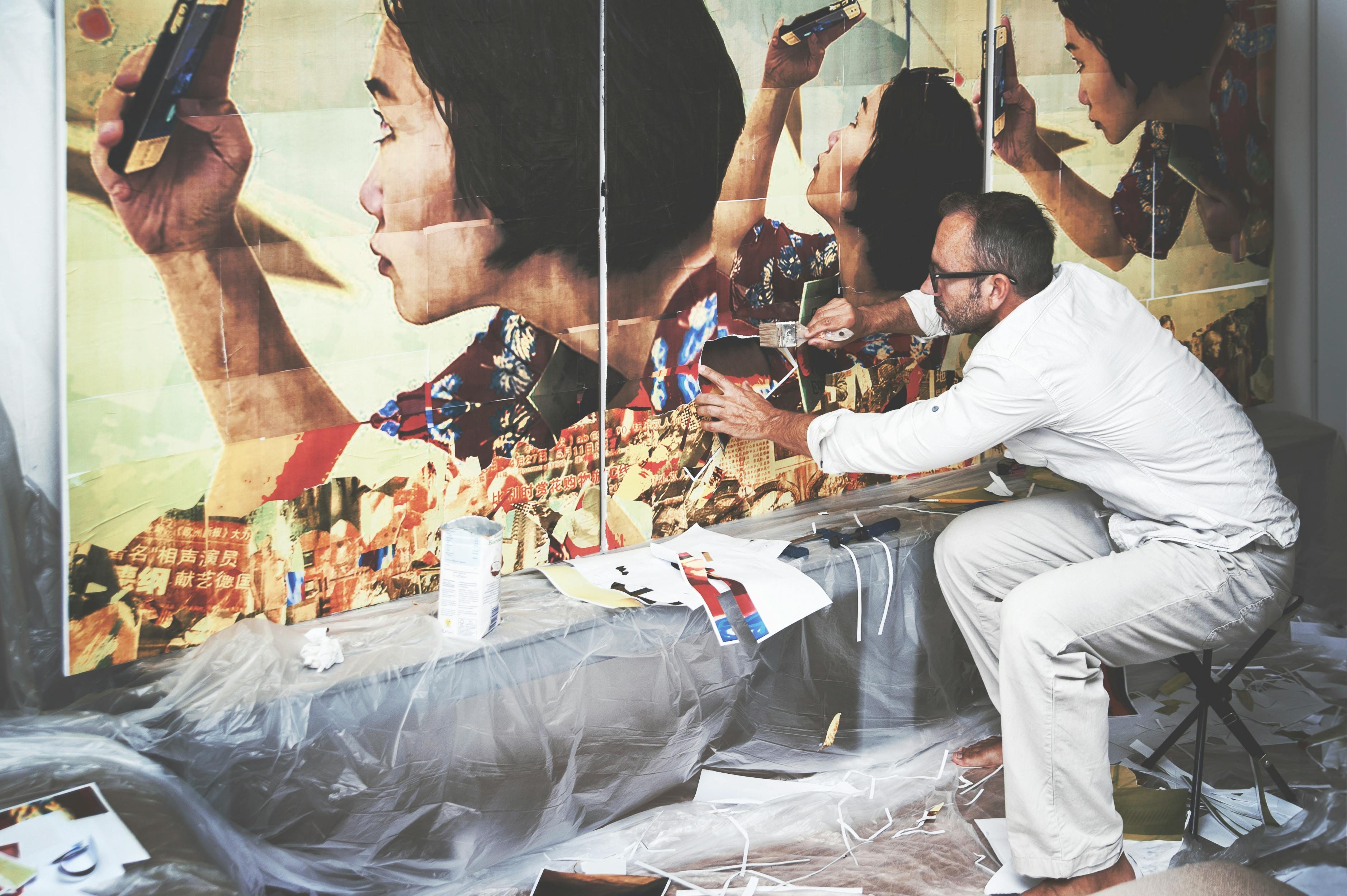
Fair point: AI can be helpful in creative work. Think of it as a power tool: fast, blunt, and best used with supervision. It’s fast. It’s efficient. It’ll chop up your ideas and serve back combinations you might not have considered.
In practice, it shows up in small, unglamorous ways:
Writers use it to brainstorm.
Musicians use it to generate melodies.
Designers use it to spitball faster.
But AI still doesn’t know what’s good. It has no taste. No judgment. No aesthetic north star.
That still comes from us.
Taste isn’t just preference. It’s judgment formed over time, shaped by failure, embarrassment, and exposure to other people’s work. It’s knowing when something is finished and when it’s merely complete. That kind of judgment isn’t computational. It’s social, historical, and personal.
Ask AI to paint like Picasso? Sure. But only because Picasso dared to paint weird eyes and blue sadness first. He didn't follow the algorithm, but he broke it.
AI can help. But give it the wheel, and you’ll end up somewhere safe, bland, and forgettable.
That mediocrity, to be fair, doesn’t just belong to machines. Plenty of human creatives rely on formula, trend, or lowest-common-denominator appeal. But again, humans can choose to break free. And they sometimes do. Only humans choose to break the rules and rewrite them.
Why Real Creativity Still Belongs to Us
What makes human creativity so powerful isn’t just what we make. It’s why we make it.
We create from pain. From joy. From that strange pressure inside us that needs release, even when we don’t yet know what it is.
Like the dream where you’re chasing birds through a grocery store. Weird, meaningless, and yet, it becomes a story. A style. A sound.
AI doesn’t dream. It doesn’t worry about legacy. When it sees a blank page, it sees data. Not emotion. Not fear. Not purpose. But we do.
And that’s the real engine of creativity. It’s not just processing power. It’s presence. Intention. Meaning.
If we want to keep that human spark alive while using these tools, how should we go about it? Here are four simple principles I’ve found helpful.
So What’s the Smart Way to Use AI Without Losing the Spark?
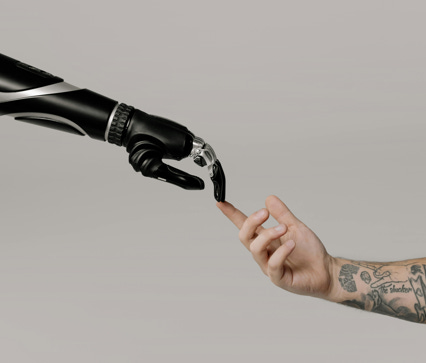
I’m not arguing for rejecting AI. I’m arguing for using it with clear limits. I’m not anti-AI. But we need to be clear-eyed about its limits.
AI is a tool. A very good one, if used wisely. Think of AI like a blender: powerful, noisy, and best kept away from the recipe book if you’re trying to create something that actually matters. It can save hours at work, automate the repetitive stuff, and boost productivity in ways that genuinely improve our lives. In many settings like data analysis, coding, admin work, and even early-stage creative brainstorming, AI can add enormous value. But the minute we ask it to replace human creativity, we start losing the very things that make creative work worth doing.
And we’re already seeing the consequences. Many creative roles, from illustrators and copywriters to voice actors and junior designers, are increasingly shaped by automation pressures as organizations across industries prioritize efficiency. The irony? We’re using a machine to simulate the work of people…while sidelining the people who made that work meaningful in the first place. If we’re not intentional, we won’t just lose creative jobs. We’ll lose the creative pathways that help people find their voice, build their craft, and grow into original thinkers.
Creative work has always functioned as a ladder. People start by copying, then refining, then slowly finding the confidence to diverge. If entry-level creative labor disappears, we don’t just lose jobs. We lose the apprenticeship phase that produces future originality. A culture that automates imitation too early may quietly starve itself of the conditions that make genuine creativity possible later on.
So here’s what I’d actually do:
Use AI to spark ideas, not finish them. Treat it like a brainstorming partner with no ego. Let it suggest. But you decide.
Inject your weirdness. AI will always choose the most likely next move. You? Choose the least likely. Just to see what happens.
Value mistakes. Some of the greatest breakthroughs came from “oops”. Let your creative process stay messy.
Protect the spark. Don’t let speed and scale seduce you. Meaning takes time. Depth takes struggle.
The other side of the story is that AI is giving voice to people who never thought of themselves as “creative”. Someone who can’t draw or compose music can now shape visual art or soundscapes by describing an idea. Someone who struggles to write fluently can now co-create stories or scripts with a model. These tools open the door for people whose ideas might have stayed locked inside. That’s a good thing because the world is better when more people can participate in making meaning.
Maybe human-machine co-creation will evolve into its own kind of artistry. We might one day redefine “creativity” to include emergent properties of systems we’ve built but don’t fully control. If that happens, the philosophical question shifts: Is creativity about intent, or about impact? Still, until that day, the human spark, flawed, unpredictable, and emotionally charged, remains essential.
And if we want that spark to survive, we have to protect it. That means seeking out and supporting real human art. The kind that doesn’t just imitate feeling but expresses it. It means not being complacent or cheering every AI-generated image as progress. We get to decide what kind of creativity we want in the world and it starts by choosing to value each other’s work. If we want human art to thrive, we need to be there clapping in the front row, not just scrolling by.
Creativity Is a Human Act
Some argue that AI has already passed the Turing Test, in the sense that it can hold a convincing conversation and appear intelligent. And in many cases, that’s true. But the Turing Test was never about understanding. It was about imitation. Alan Turing designed the test to answer one question: “Can a machine imitate a human well enough to fool another human?” In the classic version, if a person can’t reliably tell whether they’re talking to a machine or a human, the machine is said to have passed the test.
But the test only measures how well something appears human and not whether it actually understands anything. It’s about behavior, not awareness. Language patterns, not meaning. That’s why passing the Turing Test doesn’t mean an AI is thinking. It means it’s imitating thought. Convincingly, I would say, but still from the outside in.
This isn’t a new tension. Photography sparked similar fears in the nineteenth century. Mechanical reproduction was supposed to kill art by making images cheap and abundant. Instead, it forced artists to rethink what art was for. Expression moved away from representation and toward interpretation. The tool changed. The human stakes didn’t.
AI might someday pass the Turing Test. But it will never pass the mirror test. Not because self-reflection is required to generate outputs, but because it’s required to care whether those outputs mean anything. AI does not look at itself and wonder, “Who am I becoming?”
That question - the self-reflective, soul-searching, contradiction-holding one - is what drives real art. Real innovation. Real risk.
So yes, AI will keep getting better at faking creativity.
But we don’t need better simulations.
We need more humans willing to make something that breaks the mold, touches the soul, and says something no pattern ever could.
In a world of infinite remixing, true originality might be the most human act left.
Takeaways
Creativity isn’t just remixing. It’s rule-breaking with meaning.
AI can simulate patterns, but not purpose.
The spark behind great art is imperfection, intention, and self-awareness.
Use AI as a tool, not a substitute. And never outsource your weirdness.
Because the next Renaissance won’t come from a model trained on the past. It’ll come from a human bold enough to imagine something the world has never even dreamed of.
And that human? You don’t need permission. You already are.
Sources & Links
👉 What’s your take? Can AI ever cross the line from mimicry to meaning? Drop your thoughts, critiques, or counterpoints below. Let’s keep the dialogue going.⬇
If this resonated with you, consider subscribing to receive more insights like these straight to your inbox. Together, we can continue the conversation and shape the future on our own terms.
The views expressed here are entirely my own. This newsletter is not affiliated with any organization, and no confidential or non-public information is shared.