The Seventh Sense vs. AI
What We Know About Human Instinct and Its Mysterious Role in Decision-Making


👉 Instinct shapes our decisions in ways we rarely notice. What does that mean in a world increasingly driven by AI? As you read, I’d love to hear your thoughts. Drop a comment and let’s discuss! ⬇️
Inspired by Eduard Heindl's interview with Joscha Bach (linked at the bottom), this post explores one of AI’s most frustrating limits: AI lacks instinct. It can solve problems, recognize patterns, and even mimic human creativity. But it doesn’t have a gut feeling, a sense that something is wrong, or the ability to act before conscious thought begins.
Here, reason does not mean intelligence in general. It means slow, explicit deliberation that depends on time, symbols, and conscious comparison. Instinct evolved under conditions where being wrong meant injury or death. AI optimizes outcomes. Humans evolved to survive them.
📌 Instinct is a form of intelligence shaped by millions of years of evolution. It’s a set of deeply embedded responses that guide us without analysis. It’s the reason a firefighter senses a collapse before it happens, a mother moves to protect her child without hesitation, and an experienced surgeon makes a life-saving call without having time to think it through.
If intelligence means responding well to uncertainty, instinct qualifies because it’s fast.
🚩 This is why instinct matters for AI. It is a kind of intelligence machines still struggle to copy.
But beyond AI, the real question is: how does instinct actually work?
What do we really know about a “seventh sense”, the ability to act correctly before conscious reasoning kicks in? And what does that tell us about how we, as humans, navigate the world?
The “seventh sense” is not a new organ or a hidden faculty. It’s a conceptual shorthand for how deeply embodied signals influence decision-making before cognition gets involved.
The term isn’t meant to name something new. It’s meant to highlight what standard cognitive language often ignores: how bodily signals shape judgment before thought becomes conscious.
Instinct Isn’t Magic. It’s Evolution’s Shortcut.
For most of human history, instinct has been explained as either a divine gift or a mysterious sixth sense. Something separate from rational thought. Something unexplainable. But modern neuroscience and evolutionary biology have revealed that instinct is neither supernatural nor random. It’s an incredibly sophisticated form of intelligence that has been optimized over millennia.
📌 At its core, instinct is built-in knowledge. It helps humans react instantly, without thinking through every detail. Think of instinct as an evolutionary shortcut, designed to save us from the burden of analyzing every situation from scratch.
Instinct doesn’t wait for slow, deliberate thought.
It:
✅ Triggers survival mechanisms instantly. A baby doesn’t have to be taught how to suckle - it just knows.

✅ Prioritizes danger over logic. We instinctively fear snakes and heights, even if we’ve never personally encountered danger from them.

✅ Bypasses conscious reasoning. If you touch a hot stove, you don’t need to think through the pain before pulling your hand away - you just do it.

These mechanisms aren’t unique to humans. They appear across the animal world. A deer doesn’t wait to confirm a predator’s presence. It runs at the first sign of danger. Birds don’t learn how to migrate from trial and error. They are born with the knowledge of where to go.
📌 Instincts helped us survive, but they don’t always work in today’s world. Our fear of public speaking, for example, stems from an evolutionary instinct to avoid social rejection, which once carried real risk in small tribal societies. Similarly, our fight-or-flight response can be triggered by non-lethal stressors like work deadlines, showing that instinct, while powerful, does not always lead to good decisions.
Instincts help us survive before we learn. In many cases, they even override logic.
The Science of Instinct: What’s Happening in the Brain?
If instinct is real, where does it live in the brain?
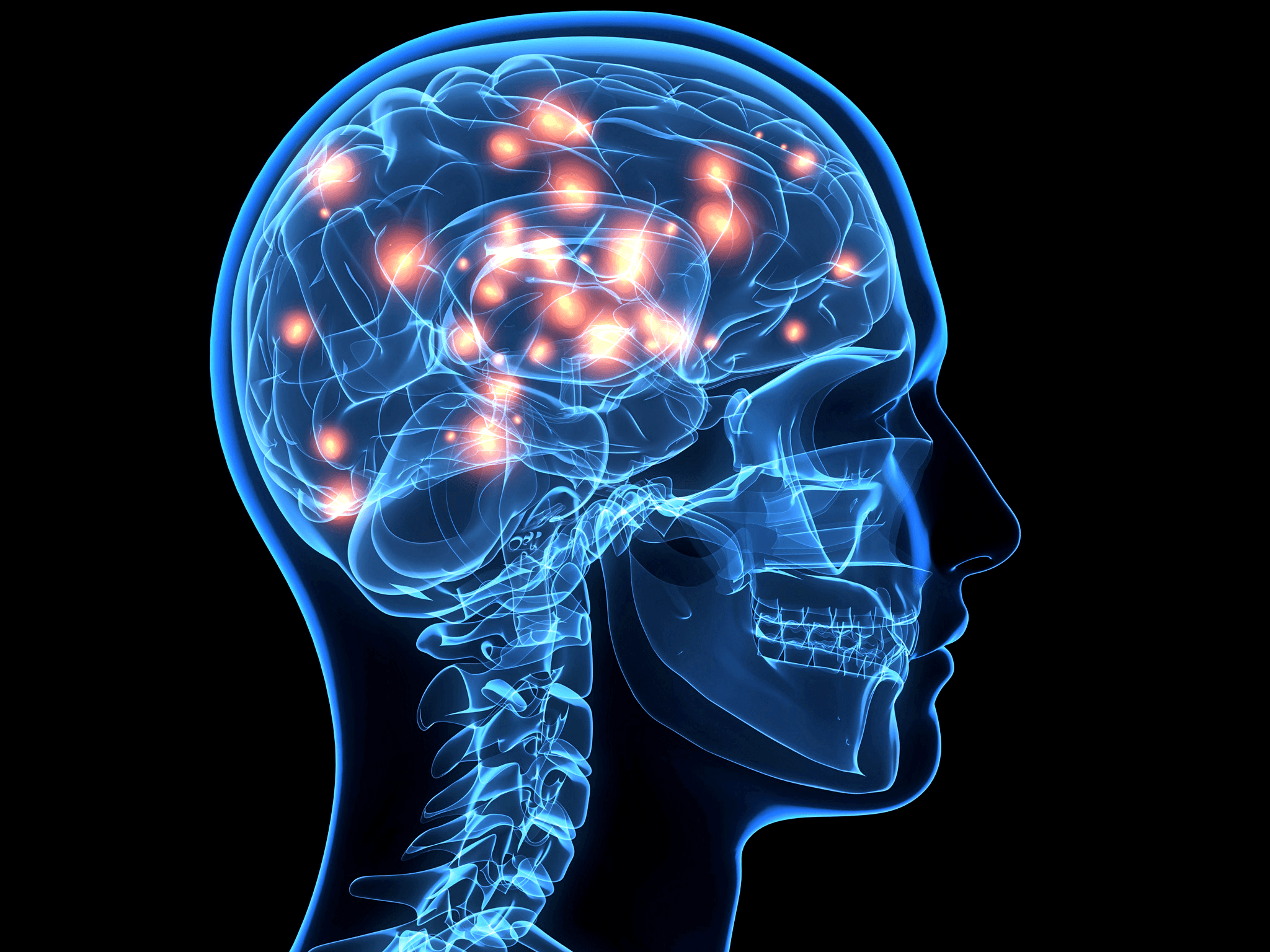
Neuroscience tells us that instinct is deeply embedded in the most ancient parts of our nervous system, specifically:
1️⃣ The Amygdala: The brain’s fear center, responsible for rapid emotional processing and threat detection. This is what makes you freeze when you hear a sudden noise in the dark, before you even know what it is.
2️⃣ The Basal Ganglia: The part of the brain responsible for pattern recognition, habits, and motor responses. This is what allows an athlete to execute a perfect move without consciously thinking about it.
3️⃣ The Insular Cortex: Linked to gut feelings, intuition, and social awareness. People with stronger insular activity tend to read social cues better and anticipate emotions more accurately, according to studies.
These regions do not “contain” instinct. They take part in patterns of perception and action that emerge across the whole body.
📌 Instinct works because the brain is constantly processing information below the level of conscious awareness. Crucially, this processing is inseparable from a body that feels hunger, pain, fear, fatigue, and risk. Current AI systems process signals; they don’t suffer consequences when those signals are wrong. While your rational mind is busy analyzing, your subconscious brain is scanning for patterns, risks, and subtle signals - and it often figures out the right move before you realize what’s happening.
This is why:
✅ A firefighter senses a building’s collapse before it happens. Years of experience have trained the brain to pick up on tiny environmental cues like heat, pressure changes, and structural sounds, even if they don’t reach conscious awareness.

✅ A pilot reacts to turbulence before instruments confirm it. Their brain has already identified the subtle shifts in air pressure and plane movement, allowing them to adjust instinctively.

✅ A chess grandmaster "sees" the right move instantly. After years of play, their brain has developed a near-instantaneous recognition of patterns that allows them to act without calculating every possibility.
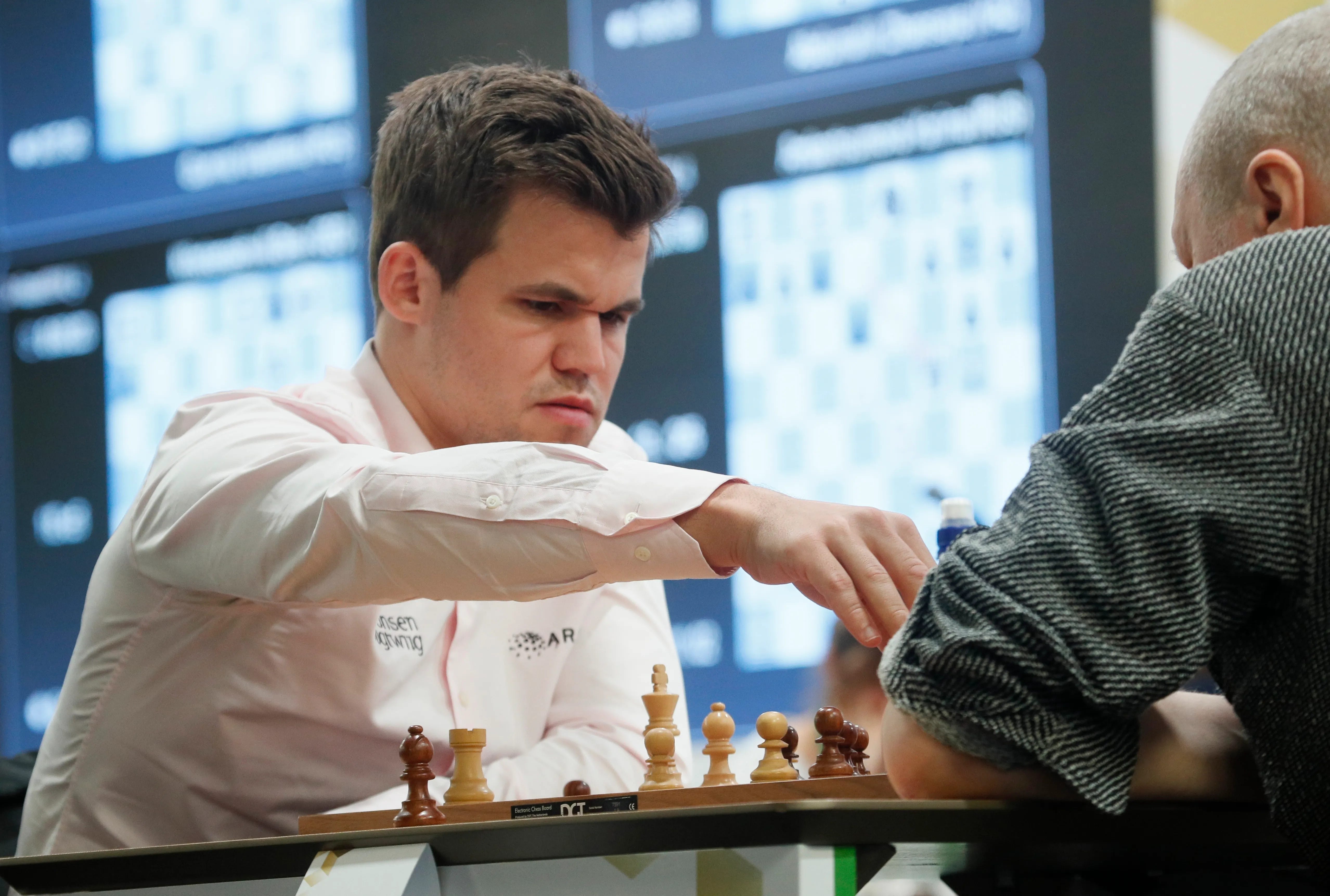
📌 Instinct isn’t about guessing. It is about recognizing patterns so quickly and so deeply that it feels like knowledge rather than analysis. What looks like instinct here is often compressed experience, with thousands of prior situations distilled into a reaction too fast for conscious recall. However, while instinct is often beneficial, it is not infallible. Cognitive biases, such as availability heuristics or confirmation bias, can lead us to make decisions based on faulty gut feelings rather than rational analysis. Daniel Kahneman’s dual-system theory shows how fast thinking can override slower, more careful judgment.
📌 However, while instinct allows for rapid decision-making, it is not always correct. The same neural shortcuts that help us recognize threats can also reinforce biases. For example, people instinctively fear flying more than driving, despite statistics showing driving is far deadlier. Likewise, unconscious biases in hiring or policing are often rooted in instinctual heuristics, demonstrating that “gut feelings” can be shaped by flawed inputs.
In modern societies, instinct often fires in environments it was never designed for, such as digital and statistical systems. That’s why instinct, when trusted blindly, can be just as dangerous as ignoring it altogether.
The Seventh Sense: Beyond the Five Senses and Rational Thought
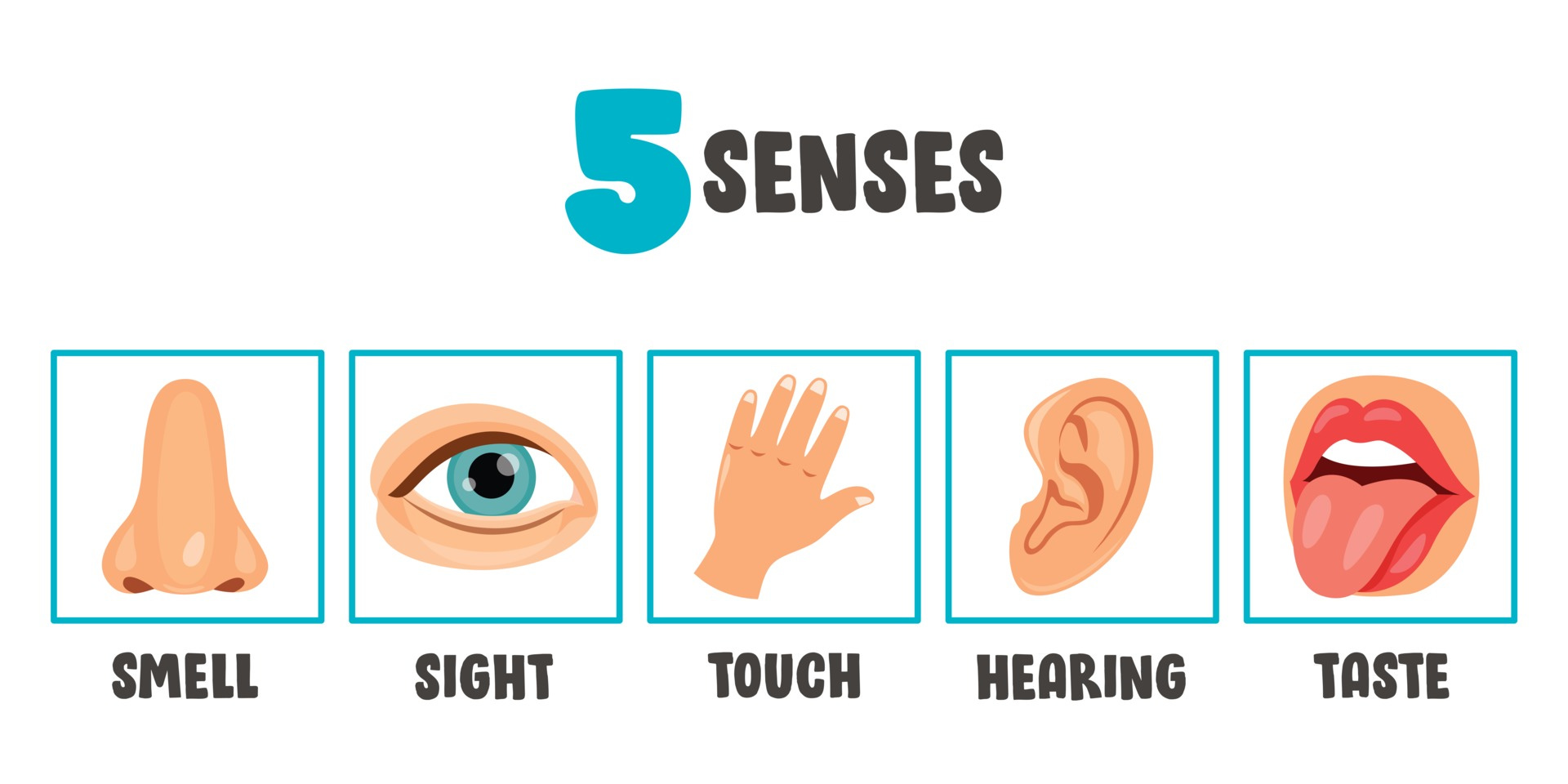
🚩 The sixth sense - intuition - is widely discussed in psychology, but some researchers believe there’s a seventh sense at play as well.
🚩 Unlike intuition, which is often linked to emotional intelligence and social awareness, the seventh sense refers to something even deeper: a pre-rational, pre-conscious sense of direction, safety, and risk.
Could AI develop its own version of instinct? Some experts think so. As AI improves in reinforcement learning and predictive analytics, it might start making decisions that feel intuitive. However, while AI can recognize patterns and make probabilistic judgments, it still lacks the embodied experience, emotional context, and subconscious processing that define human instinct.
Some researchers believe the seventh sense is connected to interoception - our ability to perceive internal bodily signals like heartbeat fluctuations and hormonal shifts. Unlike intuition, which is linked to social awareness, this sense operates even deeper, shaping our awareness of direction, safety, and risk. These signals provide silent, subconscious guidance that influences our decisions before we can rationalize them.
✅ Studies have found that professional poker players and stock traders often make winning decisions based on subtle physical cues - an increase in heart rate, a shift in breathing, a gut reaction - before they even consciously identify why they feel something is right or wrong.

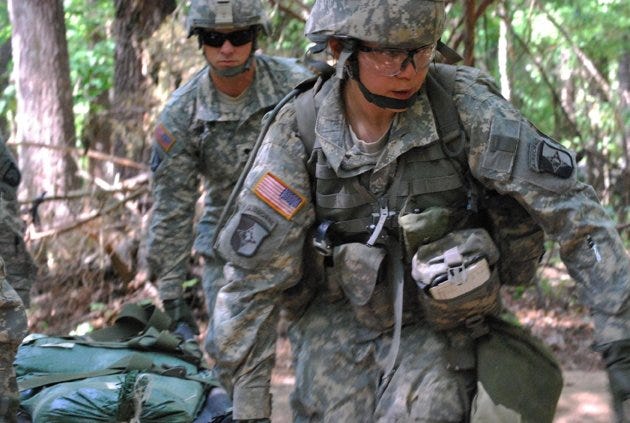
✅ Soldiers in combat situations report experiencing a “sixth sense” about danger - an awareness of an ambush or hidden threat before seeing anything obvious. Some neuroscientists believe this is a real biological process, where the brain subconsciously detects environmental anomalies before they reach conscious awareness.
✅ Some blind individuals develop an acute spatial awareness that allows them to navigate the world as if they could see, using micro-perceptions of sound, air pressure, and even magnetic fields.
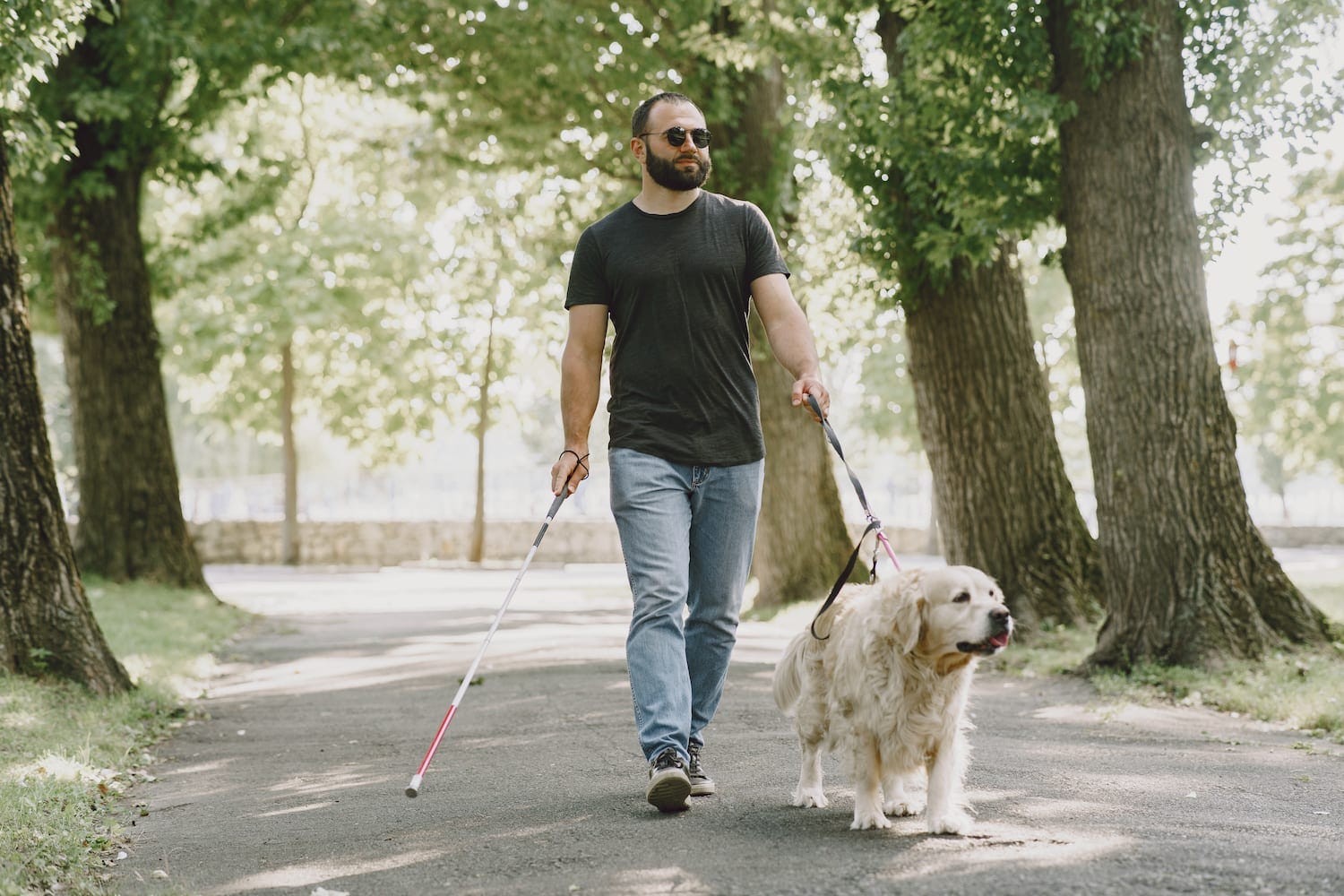
📌 This “seventh sense” isn’t magic. It’s biology. It’s the ability to process information beneath the level of conscious thought and act on it before the brain catches up. But this ability is not always beneficial. The same mechanisms that help a poker player make a snap judgment can also lead to impulsive, irrational decisions in the wrong context.
⭕ This raises a key question: can we train instinct to improve, or does it always trade speed for bias?
The 6th Sense: Intuition
⚡ Often described as a gut feeling or inner knowing without conscious reasoning.
⚡ Closely linked to emotional intelligence and social awareness.
⚡ Helps us read people, anticipate behaviors, and make quick social judgments.
⚡ Driven by pattern recognition - our brain detects subtle cues based on past experiences.
⚡ Example: Sensing that someone is lying even if they haven’t said anything suspicious.
The 7th Sense: Pre-Rational Awareness (Interoception & Subconscious Perception)
⚡ Goes even deeper than intuition - it’s a pre-conscious, bodily-driven sense of risk, direction, and survival.
⚡ Rooted in interoception, which is the brain’s ability to detect internal body signals (e.g., heart rate, hormonal changes, blood pressure shifts).
⚡ Acts before conscious thought, shaping decisions through subconscious bodily reactions.
⚡ Helps in high-stakes, rapid-response scenarios where analysis is too slow.
⚡ Example: A firefighter feeling a building is about to collapse before any visible signs confirm it.
Key Difference 6th Sense vs. 7th Sense
⚡ 6th Sense (Intuition): Based on past experiences & emotional intelligence → operates subconsciously but shaped by learning.
⚡ 7th Sense (Pre-Rational Awareness): Based on bodily signals & deep survival instincts → operates before conscious thought and outside direct experience.

Why This Matters: Instinct in a Data-Driven World
We are trained to trust logic and data over instinct. We rely on algorithms and statistics for decisions.
And yet, some of the biggest decisions in life aren’t based on data. Choosing a partner. Sensing danger. Knowing when to take a risk.
🚩 In an age where AI is taking over rational, pattern-based intelligence, our deepest advantage as humans may not be our ability to think but our ability to know before we think. AI also shows forms of anticipation. Machine Learning models, such as those used in fraud detection or predictive maintenance, can recognize patterns in ways that mimic human intuition - without necessarily requiring conscious reasoning.
AI is already making high-stakes decisions in medicine, finance, and military strategy. In radiology, Machine Learning models outperform human doctors in detecting anomalies. In financial markets, high-frequency trading algorithms make split-second decisions. Yet, these systems rely on statistical probabilities, not the embodied, holistic understanding of uncertainty that defines human instinct.
The cost of this human advantage is that we often can’t explain our own decisions.
In environments where patterns are stable, outcomes are measurable, and feedback is fast, AI will often outperform human instinct - precisely because it is not distracted by fear, ego, or bodily stress.
Which leaves us with a few uncomfortable questions:
⭕ Should we trust gut instinct, or challenge its biases?
⭕ Can we train better instincts, or are they purely biological?
⭕ If AI will never have true instinct, does that mean humans will always be uniquely better at handling uncertainty, risk, and high-stakes decisions?
📌 In the end, instinct isn’t about rejecting reason. It’s about recognizing that some of our most powerful intelligence happens before conscious thought even begins.
How can we sharpen our instincts in a data-driven world? Keep these three principles in mind:
1️⃣ Train instincts through experience. Chess, medicine, social cues: repetition trains the subconscious.
2️⃣ Recognize when instincts fail - biases can distort gut feelings, so balance instinct with logic in high-stakes decisions.
3️⃣Use AI as a tool, not a replacement - AI handles stable data well. Human intuition shows up when the situation is messy.
🚩 Treat instinct as a signal, not a verdict. The next time you get a gut feeling, pause and ask:
What signals am I picking up?
Is my instinct based on experience or bias?
🚩 Learning to refine your instincts may be one of the most powerful skills you develop. It may be your brain’s oldest and most powerful form of intelligence. And that’s something AI, as we currently understand intelligence, has no clear path to copying.
🚩 History shows what unexamined instinct can justify: exclusion, prejudice, harm. That’s why instinct deserves scrutiny, not reverence.
Sources & Links
If this resonated with you, consider subscribing to receive more insights like these straight to your inbox. Together, we can continue the conversation and shape the future on our own terms.
The views expressed here are entirely my own. This newsletter is not affiliated with any organization, and no confidential or non-public information is shared.